We offer a 30-day easy return and exchange policy We offer a 30-day easy return and exchange policy

News

✨ The Magician of Light: Cool, Warm, or Neutral—Which is the "Best Filter" for Your Home?

✨ The Magician of Light: Cool, Warm, or Neutral—Which is the "Best Filter" for Your Home?

Ever brought expensive furniture home only to find it looks "cheap" or "off"? Don't blame the sofa—blame the light.

Light is the ultimate "makeup artist" for your home. The secret weapon is Color Temperature,which acts like a real-life Instagram filter for your rooms. Generally, we categorize it into three distinct "flavors." Let’s see which one fits your style.

🌈 The 3 Moods of Light: A Quick Guide

Think of light color as the background music for your subconscious:

Warm Light (3000K): The "Sunset" Filter. Soft, yellowish, and cozy. It lowers your defenses and makes everything feel intimate and relaxing.

Neutral Light (4000K): The "Noon" Sun. Crisp, clear, and authentic. It restores true colors without being too sleepy or too harsh—the perfect balance.

Cool Light (5000K): The "Iced Coffee" Kick. Blue-toned and sharp. It wakes up your brain for focus but can feel as sterile as a hospital if used in the wrong place.

🏠 Full House Strategy: The "Lighting Manual" for Different Spaces

Refuse the "one ceiling light fits all" approach. You must not only choose the right light but also let different fixtures do their specific jobs. Here are the pairing assignments and recommendations for each space:

🛋️ Living Room: A Collision of Airiness and Texture

The living room is the face of the home. Establish a transparent and grand tone by using Neutral Light or Warm Light in a central Chandelier or statement Ceiling Light

💡 Pairing Example: Miralis Chandelier

This chandelier cleverly combines vintage gold brass, the warmth of ash wood, and the delicacy of ceramic. Under bright Neutral Light, the textures of the wood and ceramic neutralize the "coolness" of the light, adding a touch of low-key luxury to the living room that is both modern and organically beautiful.

🍽️ Dining Room: A Candlelight Dining Ritual

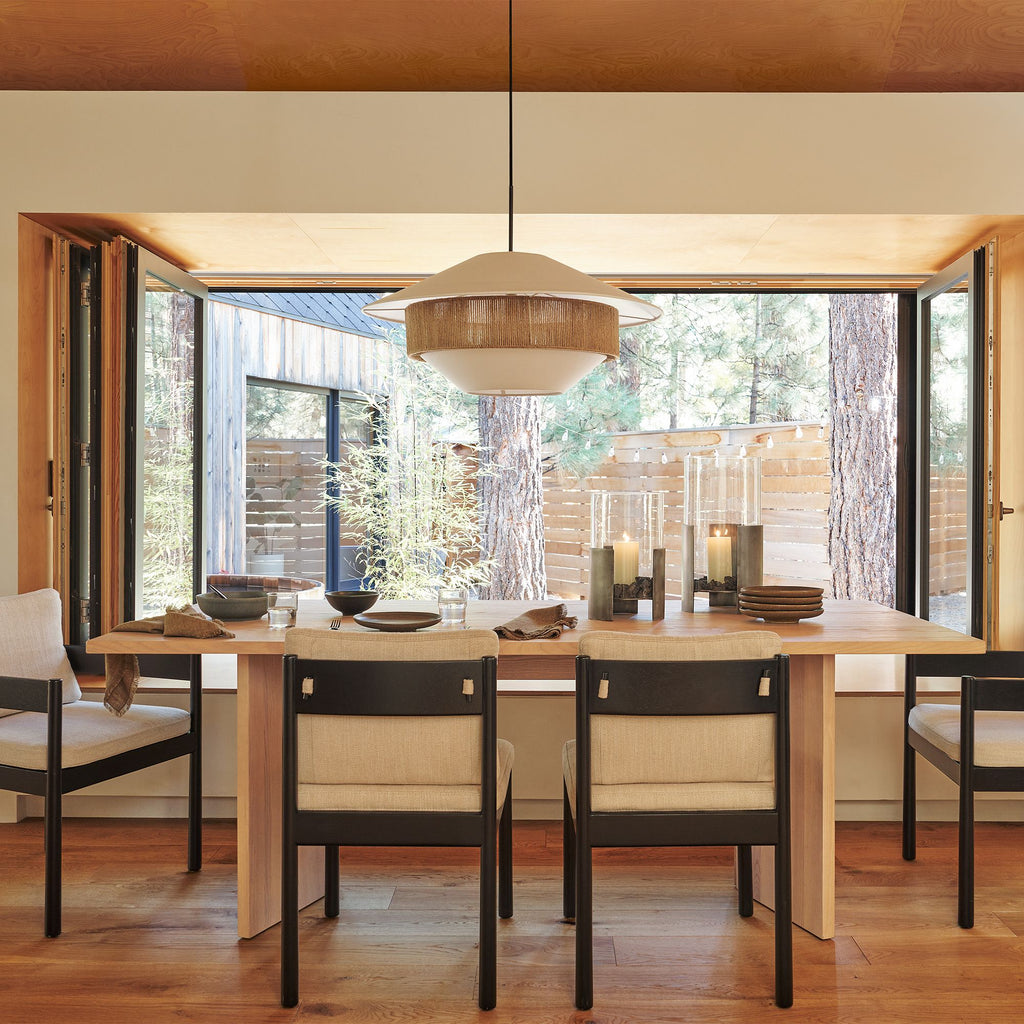
This is the absolute home turf of Warm Light. Hang a structural Chandelier low above the table. The warm glow acts as a beauty filter for your food, instantly boosting appetite and conversation.

💡 Pairing Example: Nottaway Chandelier

Its classic candelabra style design is born for Warm Light. The open iron frame structure is both classical and airy. As the light refracts off the gold leaf or silver rust finish, it instantly maximizes the ritual of dining, making the restaurant the most gathering-friendly spot in the house.

🛏️ Bedroom: A Quiet Corner by the Bed

Since the goal is sleep, avoid light shining directly into your eyes. Aside from standard table lamps, the trend now is to hang a small pendant light by the bedside. Use Neutral Light and Warm Light to illuminate the corner, freeing up nightstand space while creating a refined "sunset and rest" atmosphere.

💡 Pairing Example: Rochelle Pendant Light

This small pendant light perfectly fuses brass and ceramic. Its compact and exquisite volume is perfect for hanging on both sides of the bed. The light becomes softer and non-glaring passing through the ceramic shade, like a gentle star in the night—the best companion for bedtime reading or meditation.

📚 Study: Coexisting Focus and Style

Atmosphere alone isn't enough; you need to see clearly. The study requires Neutral Light to ensure focus. While overhead lighting matters, the hero of this space is a substantial Table Lamp. Choose one with a sophisticated design to ground the desk and provide precise task lighting without feeling sterile.

💡 Pairing Example: Lyra Table Lamp

This is more than just a lamp; it looks like an art piece on your desk. The walnut base paired with precision-cast brass components creates a deep tone that looks incredibly textured under the light. It provides clear, layered task lighting, allowing you to stay efficient while working, all while enjoying the calm state of mind brought by the materials.

🚿 Bathroom: Rejecting the "False Mask"

Skip the hazy filters; this space demands the naked truth. Prioritize Neutral or Cool Light for vanity mirrors to accurately render skin tones. Whether you prefer the natural daylight look (Neutral) or high-definition clarity (Cool), avoiding warm yellow tones ensures you never leave the house wearing a "false mask" of makeup.

💡 Pairing Example: Vega Wall Lamp

This wall lamp perfectly blends industrial elegance with refined craftsmanship. Its robust iron frame  finish support hand-finished glass panels that diffuse Warm Light evenly without glare. 

⚠️Avoid Pitfalls: The "Three Don'ts" to Avoid a Cheap Look

To keep your home looking premium, avoid these three traps: Don't mix cool and warm lights in the same view (it looks messy), choose High CRI (Ra>90) to keep colors vibrant, and avoid the "operating room" vibe by skipping harsh, wall-to-wall cool light in favor of layered, cozy illumination.

🌟 Ready to Find Your Perfect Light?

Light is the cheapest "soft furnishing" in home design, yet it holds the most high-level magic. If you feel your current home isn't cozy enough, don't rush to change the furniture. Try changing a few well-designed light fixtures and adjusting the color temperature.

Ready to find that perfect beam of light? We have a little gift to help you get started on your home transformation.

🎁 Get 10% OFF your entire order! 🛒 Use Code: START at checkout.

Continue reading

🌬️ The Frozen Breath: Exploring the Eternal Charm of Hand-Blown Glass Lighting

🌬️ The Frozen Breath: Exploring the Eternal Charm of Hand-Blown Glass Lighting

Have you ever been captivated by a lamp? Not just because it's bright, but because it looks like a magical jewel, capturing the essence of a sea breeze or a sunset?

In the world of lighting, some pieces transcend mere function, becoming suspended works of art. Today, we focus on a masterful craft spanning millennia: Hand-Blown Glass. How does this ancient technique transform common sand and intense heat into the brilliant, uniquely shaped light we adore?

💎 Crystalized Art: Styles and Textures of Our Glass Lighting

Hand-blown glass fixtures are prized for their unique, rich textures that machines cannot replicate. Our collection features classic styles: Scallop Texture , with its crisp, wavy radial patterns; Pleated or Flowing Glass , designed with soft ripples for gentle light refraction; Bubble Texture, containing uniform trapped air for a distinctive crystalized look; and pieces with Internal Decoration, where gold leaf or colored frit is fused in for rich, shimmering layers of depth.

🏠The Beauty of Space: Categories of Our Glass Fixtures

Whether you need a focal point for a high-ceiling living room or a soft glow for a bedroom, hand-blown glass fixtures fit perfectly. Our lighting primarily falls into two main categories:

Glass Chandeliers: These often feature complex structures with multiple glass elements. They are grand and dramatic, ideal for dining rooms or living spaces that demand a strong visual statement.

Glass Ceiling Lamps: The structure sits close to the ceiling—such as designs made by layering scallop-shaped panels—preserving the artistic quality of the glass while saving vertical space, perfect for hallways or rooms with lower ceilings.

💖The Heart of Craft: The Unique Value of Hand-Blown Glass

The stunning beauty of our lighting is due to the use of pure hand-blowing techniques.

Hand-Blown vs. Machine-Made

Machine production seeks speed and absolute uniformity, whereas hand-blowing emphasizes unrepeatable uniqueness. Every piece of hand-blown glass carries the artisan's breath and the trace of their rotation. Variations in thickness, bubbles, and color flow make each fixture one-of-a-kind, endowing the glass with superior transparency, color saturation, and inherent artistic value.

The core of this skill lies in the artisan's precise control over the molten glass and a perfect sense of timing.

🛠️Unveiling the Magic: The Glassmaking Process

Creating textured components like the scallop pieces requires the artisan’s expert execution of mold-blowing combined with manual shaping. These five key steps chronicle the journey of the glass piece to life:

The Raw Beginning: Fusion in the Furnace

The process starts when silica sand, mixed with fluxing agents, is heated in a furnace to temperatures over 1400 degrees Celsius. This extreme heat melts and fuses the materials, creating the clear, viscous molten glass that is essential for the artisan's work.

Extracting the Essence: Gathering and Pre-Blow

An experienced artisan uses a blowpipe to skillfully gather a perfectly measured ball of molten glass from the furnace. This glass is then given a preliminary puff of air and rolled into a basic form, preparing it for the next stage.

Imprinting the Texture: Mold Blowing

This is the crucial step that gives the glass its "soul." The artisan places the glass parison into a pre-made texture mold and blows a precise breath. The glass rapidly expands against the mold, and the crisp, three-dimensional texture is miraculously imprinted onto the surface.

Returning to the Fire: Reheating

The textured, semi-finished hollow piece is carefully separated from the blowpipe and transferred. It is then placed back into a high-heat "Glory Hole" to re-soften the glass.

Reshaping the Curve: Flaring and Shaping

The true artistry begins here! Using specialized tools, the artisan rotates the glass at high speed, gently stretching, opening, and flattening the hollow form into the elegant shallow disc or fan shape. The edges are meticulously manipulated to achieve a natural, wavy curve.

Gentle Descent: Annealing and Cooling

The finished piece is placed in an annealing oven for a slow, controlled cooling process. This essential step acts as a final, gentle breath, removing internal stresses and ensuring the glass component remains strong and durable.

🌟Illuminating More Than Just Space

We believe that understanding the birth of an art piece makes the light it casts in your home even more meaningful. The next time you gaze at one of our glass lamp components, imagine its journey: it was once liquid fire, the focused breath of an artisan, and a series of perfectly timed rotations.

✨ Visit our showroom and experience the charm that travels across time, and find the next "magical jewel" for your home!

Continue reading

A Guide to Installing Indoor Lighting: Tips from a Lighting Expert

A Guide to Installing Indoor Lighting: Tips from a Lighting Expert

Installing indoor lighting may seem straightforward, but achieving the right balance of aesthetics, functionality, and safety requires careful planning. Here’s a step-by-step guide to ensure a smooth installation process.

1. Choose the Right Type of Lighting

Before installation, determine the type of lighting that best suits your space:

  • Ceiling Lights & Chandeliers – Provide general illumination for large areas.
  • Pendant Lights – Best for kitchen islands and dining tables.
  • Wall Sconces – Ideal for accent lighting in hallways, bedrooms, and bathrooms.
  • Table & Floor Lamps – Offer flexibility and additional lighting layers.
  • Recessed Lighting – Great for modern, streamlined aesthetics with ambient light distribution.

2. Understand Wiring and Electrical Load

  • Ensure that the voltage (110V-240V) of your fixture matches your home’s electrical system.
  • If installing multiple lights, calculate the wattage load to prevent circuit overload.
  • If unsure about electrical work, consult a professional electrician.

3. Proper Hanging Heights for Lighting Fixtures

Different fixtures require different mounting heights:

  • Chandeliers: Hang 30-36 inches above the dining table.
  • Pendant Lights: Position above 6 feet from the floor in walkways.
  • Wall Sconces: Mount 60-66 inches from the floor for optimal eye level.
  • Recessed Lighting: Space 4-6 feet apart for even distribution.

4. Install a Compatible Switch

  • Use dimmable switches for chandeliers and ambient lights to adjust brightness.
  • Consider smart lighting systems that allow remote control via apps or voice assistants.
  • Ensure your switch type matches your light source (e.g., LED-compatible dimmers for LED bulbs).

5. Final Safety Check

  • Always turn off the power before installation.
  • Securely fasten fixtures to avoid instability.
  • Avoid placing lights too close to flammable materials.

6. Test & Adjust

Once installed, test the light and adjust angles, brightness, and positioning to ensure optimal performance.

Proper installation enhances the beauty and functionality of lighting while ensuring a safe and pleasant environment. By following these guidelines, you can transform any space with well-planned illumination.

Continue reading

Understanding Color Temperature: Choosing the Right Light for Your Space

Understanding Color Temperature: Choosing the Right Light for Your Space

Lighting plays a crucial role in shaping the ambiance and functionality of a space, and color temperature is one of the most important aspects to consider when selecting indoor lighting. Whether you're designing a cozy bedroom, a productive office, or a lively living room, understanding color temperature will help you achieve the perfect atmosphere.

What Is Color Temperature?

Color temperature is measured in Kelvin (K) and determines whether the light appears warm, neutral, or cool. Here’s a breakdown of the common ranges:

  • Warm White (2200K-3000K): Emits a soft, yellowish glow that mimics candlelight or traditional incandescent bulbs. Ideal for bedrooms, living rooms, and restaurants where a cozy and intimate atmosphere is desired.
  • Neutral White (3500K-4500K): Produces a balanced white light that is perfect for kitchens, bathrooms, and workspaces where clarity is needed without being too harsh.
  • Cool White (5000K-6500K): A bright, bluish-white light resembling daylight. This range is commonly used in offices, hospitals, and garages where high visibility and focus are essential.

How to Choose the Right Color Temperature

  1. Consider the Function of the Room

    • Bedrooms and lounges benefit from warm white lighting for relaxation.
    • Kitchens and bathrooms often require neutral white for better color accuracy.
    • Home offices and garages work best with cool white for productivity.
  2. Combine Multiple Temperatures
    Use different color temperatures to create depth and flexibility. For example, layering warm ambient lighting with cool task lighting can enhance both aesthetics and functionality.

  3. Match the Interior Design

    • Modern, minimalist designs pair well with neutral to cool white lighting.
    • Classic and rustic interiors are best complemented by warm white tones.
  4. Dimmability & Smart Lighting
    If possible, opt for dimmable LED lights that allow you to adjust color temperature according to the time of day and mood.

By understanding and applying color temperature effectively, you can create a well-lit, comfortable, and stylish home environment.

Continue reading