


Comprendiendo la temperatura de color: elegir la luz correcta para tu espacio

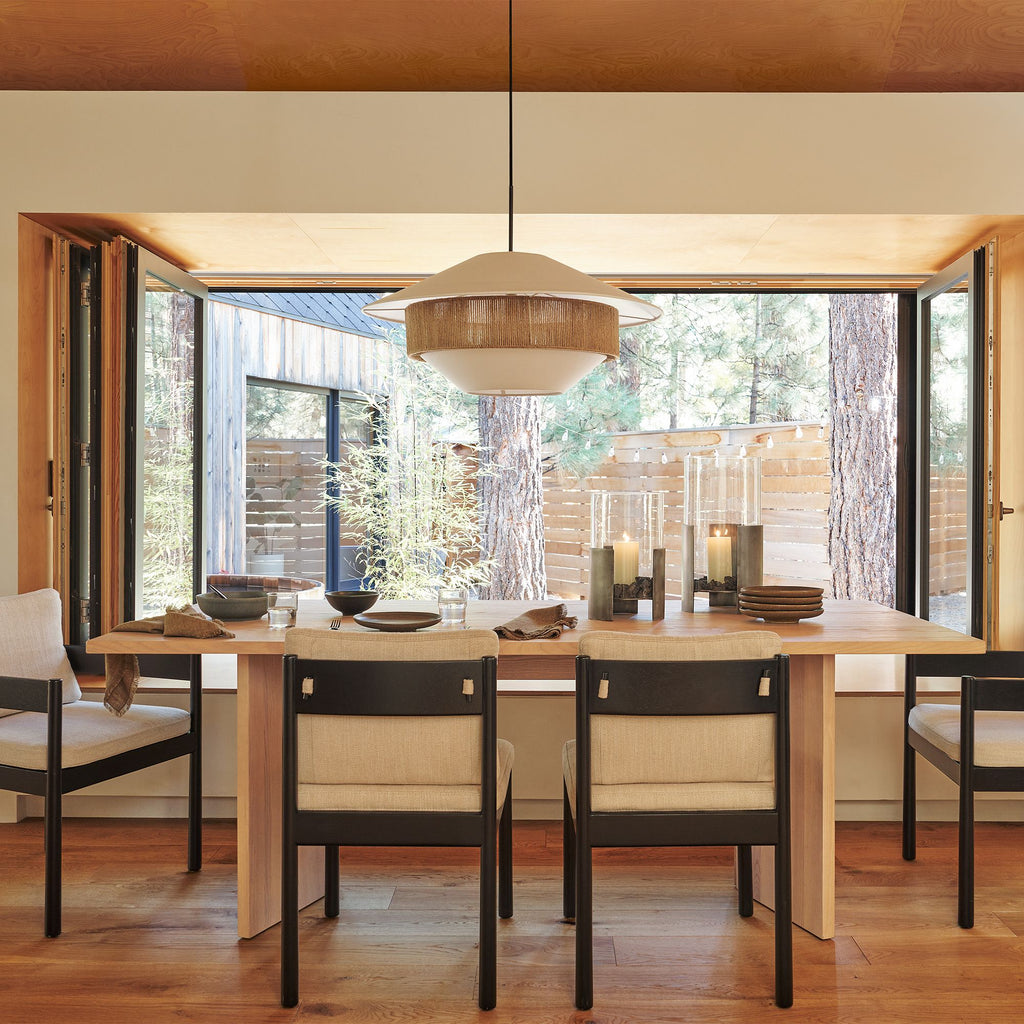
La iluminación desempeña un papel crucial en la configuración del ambiente y la funcionalidad de un espacio, y la temperatura de color es uno de los aspectos más importantes a considerar al seleccionar iluminación interior. Ya sea que estés diseñando un dormitorio acogedor, una oficina productiva o una sala de estar animada, comprender la temperatura de color te ayudará a lograr la atmósfera perfecta.

¿Qué es la temperatura de color?
La temperatura de color se mide en Kelvin (K) y determina si la luz parece cálida, neutra o fría. Aquí hay un desglose de los rangos comunes:
- Blanco cálido (2200K-3000K): emite un brillo suave y amarillento que imita la luz de velas o bombillas incandescentes tradicionales. Ideal para dormitorios, salas de estar y restaurantes donde se desea una atmósfera acogedora e íntima.
- Blanco neutro (3500K-4500K): produce una luz blanca equilibrada que es perfecta para cocinas, baños y espacios de trabajo donde se necesita claridad sin ser demasiado dura.
- Blanco frío (5000K-6500K): una luz blanca azulada brillante que se asemeja a la luz natural. Este rango se usa comúnmente en oficinas, hospitales y garajes donde la visibilidad alta y el enfoque son esenciales.
Cómo elegir la temperatura de color correcta
-
Considera la función de la habitación
- Los dormitorios y áreas de descanso se benefician de la iluminación blanco cálido para la relajación.
- Las cocinas y baños a menudo requieren blanco neutro para una mejor precisión de color.
- Las oficinas en casa y garajes funcionan mejor con blanco frío para la productividad.
-
Combina Múltiples Temperaturas de Color
Utiliza diferentes temperaturas de color para crear profundidad y flexibilidad. Por ejemplo, combinar iluminación ambiental cálida con iluminación de tarea fría puede mejorar tanto la estética como la funcionalidad. -
Armoniza con el Diseño Interior
- Los diseños modernos y minimalistas combinan bien con iluminación blanca neutra a fría.
- Los interiores clásicos y rústicos se complementan mejor con tonos de blanco cálido.
-
Regulabilidad e Iluminación Inteligente
Si es posible, opta por luces LED regulables que te permitan ajustar la temperatura de color según la hora del día y el ambiente.
Al comprender y aplicar la temperatura de color de manera efectiva, puedes crear un hogar bien iluminado, cómodo y con estilo.
Dejar un comentario